Key Takeaways
- According to the Milan Art Institute (2026), the defining force behind the current art renaissance is a consumer rejection of AI-generated and mass-produced aesthetics in favor of human-made, emotionally resonant work - a preference that now extends to interior environments.
- Multiple major art platforms including Artsy, Artnet News, and Frieze simultaneously published 'artists to watch' lists for 2026, signaling that fine art visibility and collector interest are at a multi-year high - a rising tide that historically lifts demand for decorative and specialty painting services.
- Painters who can articulate the craftsmanship, texture, and intentionality behind their finishes - faux, limewash, plaster, murals - are positioned to capture premium pricing from a client base now actively primed to value human skill over commodity output.
A convergence of cultural forces is pushing consumers toward handcrafted, emotionally authentic environments in 2026 - and the fine art world is the leading indicator. According to the Milan Art Institute (2026), the current moment represents nothing less than a new art renaissance, defined by a rejection of algorithmic sameness and a renewed hunger for work that bears the unmistakable mark of human hands. For professional painters, this cultural pivot is not abstract; it is showing up in the way clients talk about their walls, the finishes they request, and the premiums they are willing to pay.
Table of Contents
- Why the Fine Art Surge Matters Beyond Galleries
- The Authenticity Demand Is Reaching Interior Spaces
- Specialty Finishes and Decorative Work Are Having a Moment
- Why This Matters for Painters
Why the Fine Art Surge Matters Beyond Galleries
Major art publications rarely converge in the same editorial direction simultaneously. Yet entering 2026, Artsy, Artnet News, Frieze, and Saatchi Art all published prominent lists of emerging and breakout artists, signaling an unusually high level of institutional energy around visual art and human creativity. According to Artsy (2026), breakout artists this year range from painters exploring migration and identity to sculptors working in clay and found materials - all united by a tangible, physical presence that digital tools cannot replicate.
This kind of broad cultural attention to fine art has historically preceded increased consumer spending on art-adjacent services. When collectors and tastemakers celebrate the texture of a painted canvas, that sensibility filters outward. Homeowners begin to see their own interiors through a similar lens. The wall becomes a surface worth caring about, not just a backdrop.
The Authenticity Demand Is Reaching Interior Spaces
According to the Milan Art Institute (2026), the central theme of the emerging art renaissance is authenticity - specifically, a consumer-driven correction away from AI-generated imagery and mass-produced visual content toward work that communicates genuine human effort and emotional intention. This is not a niche gallery trend. It is a broad cultural recalibration happening across design, fashion, food, and home.
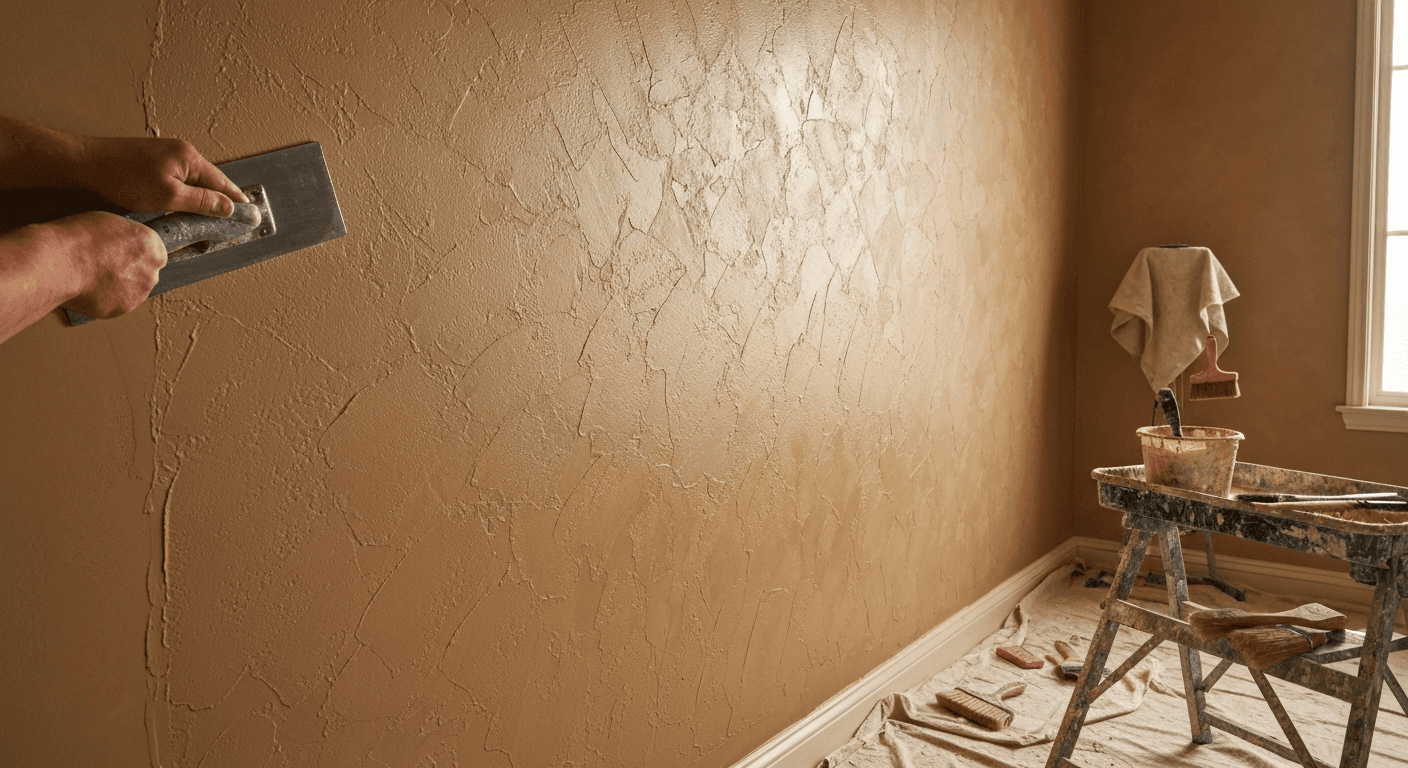
Interior design publications and renovation platforms have tracked a parallel shift in homeowner language. Clients are increasingly describing desired spaces in terms that sound less like a product category and more like a feeling: warmth, imperfection, depth, story. These are the qualities that handcrafted paint finishes - limewash, Venetian plaster, dry brush, color wash - deliver in ways that standard roller applications simply do not.
For painting contractors, this matters because it changes the sales conversation. A client who has been primed by the broader culture to value human-made work is not comparing your limewash quote to a DIY bucket of paint. They are comparing it to a piece of art. That is a fundamentally different negotiation, and it favors the skilled tradesperson who can speak the language of craft.
Specialty Finishes and Decorative Work Are Having a Moment
The timing of the 2026 art renaissance aligns with a structural opportunity in the painting trade. Material cost pressures documented across the contractor market have pushed some operators toward commodity work to stay competitive on price. According to reporting on paint material price increases affecting contractor margins in 2026, the squeeze is real. However, the cultural moment points toward a different path: differentiation through specialty services that command higher margins precisely because they require skill that cannot be easily replicated or undercut.
Decorative finishes, mural work, color consulting, and architectural detail painting are all services where the painter's expertise is the product. According to Artnet News (2026), the artists gaining the most attention this year are those working at the intersection of skilled technique and personal narrative - a combination that resonates deeply with clients who feel overwhelmed by generic, AI-assisted design. Painters who can tell the story of a finish, explain the technique behind a texture, and connect that process to the client's vision are operating in a market with far less price competition.
Platforms like the Milan Art Institute note that the 2026 renaissance is also characterized by a resurgence of traditional media and methods. This is directly translatable to the trades. Old-world plastering techniques, mineral-based paints, and artisan application methods are experiencing renewed demand from a client base that has been culturally educated to find those qualities desirable.
Painters interested in how broader contractor trends are playing out across the construction market can find additional context in coverage of the divided construction market in 2026, where operators who differentiated early are pulling ahead of those competing on price alone.
Why This Matters for Painters
The 2026 art renaissance is not a story about galleries or collectors. It is a story about what consumers value when they make decisions about their immediate environment. According to the Milan Art Institute (2026), the core driver is a desire for emotional connection and visible human effort - qualities that sit at the heart of what a skilled painting contractor delivers every day.
For working painters, three practical implications stand out. First, specialty and decorative services are worth investing in now. The client appetite is there, and the cultural moment is amplifying it. Second, how painters present and describe their work matters more than it did five years ago. Clients who have absorbed the authenticity narrative from art media will respond to painters who can articulate the craft behind a finish, not just quote a price per square foot. Before and after photography, process documentation, and visible craftsmanship signals all carry more weight in this environment. Third, local visibility and reputation are the bridge between cultural demand and actual bookings. A homeowner inspired to pursue a limewash accent wall will search for a local painter with demonstrated experience in that finish - which makes an active, well-maintained online presence a direct revenue driver.
The painters positioned to benefit most from the 2026 art renaissance are those who treat their work as craft, communicate it as such, and make it easy for clients to find and trust them before the first conversation ever begins.
Sources