Key Takeaways
- Some auto shops have seen weekly appointments fall from 20+ to under 5, according to a widely-shared firsthand account on Reddit.
- The overall U.S. automotive repair & maintenance market is estimated to grow at a 10.1% CAGR between 2024-2032, but local fluctuations can be steep, according to Global Market Insights.
- Shops that focus on technician efficiency, service transparency, and direct client outreach are better positioned to retain customers when market slowdowns hit.
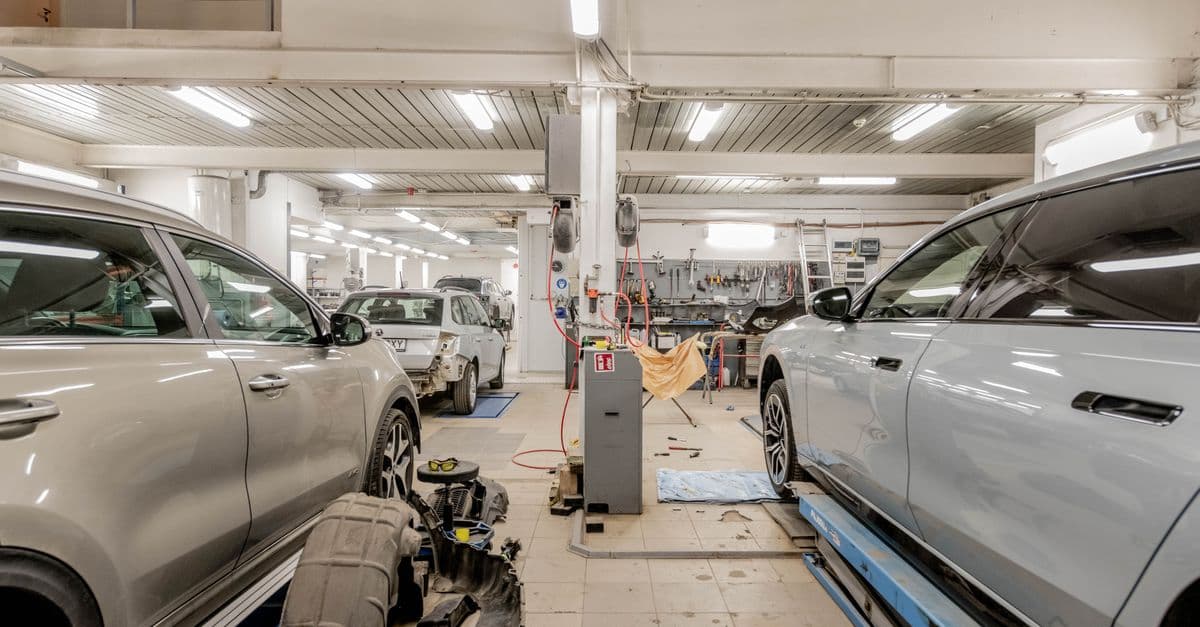
Some independent auto repair shops, usually booked out a week or more, are now struggling to fill their service bays. According to a firsthand operator account on Reddit (2024), weekly appointments have crashed from 20+ to fewer than 5 in just three weeks. While the broader market keeps climbing, this sharp local drop is forcing operators to rethink their next moves.
Table of Contents
- What Factors Drive These Customer Drops?
- Does Market Growth Mean Shops Are Safe?
- How Should Owners Respond Right Now?
- Why This Matters for Auto Repair Shops
What Factors Drive These Customer Drops?
The sudden drop in auto repair appointments is not all about national trends. According to the Reddit shop owner, customer volume fell off a cliff despite no change in service hours or marketing. Local shops report similar slowdowns in online forums: customers are postponing non-essential work, holding off on repairs, and stretching out intervals between visits. Some cite higher living costs, parts prices, or even competition from mobile techs and dealership promos - but most agree the dip was sudden. External factors like a spell of good driving weather, tax season, or even a popular local event can all have short-term impact.
Busy shops sometimes assume a silent phone just means everyone finished maintenance at once. Real shifts in consumer urgency, however, can hit hard. There is also new data showing some customers delay repairs due to cost uncertainty and a lack of price transparency. For more on how shifting expectations are disrupting shop volume, see Customer Expectations and Trust in Auto Repair Shops.
Does Market Growth Mean Shops Are Safe?
Even with recent appointment drop-offs, analysts are still bullish on the long-term outlook. According to Global Market Insights (2024), the U.S. automotive repair and maintenance market is expected to grow from $183.4 billion in 2023 at a 10.1% compound annual rate through 2032.
The catch? Market growth does not guarantee every shop will benefit. Operators in slow zones may keep waiting for rebound that never comes, especially if they are not regularly tuning up their own systems. As large players adopt new diagnostics and marketing tactics, small independents may face margin squeezes or be left off the map entirely in local search.
How Should Owners Respond Right Now?
When appointment books thin out, the right response is rarely just waiting it out. Shop owners are seeing better retention when they proactively check in with existing clients, update their estimates with clear explanations, and tighten technician workflow. According to trends highlighted by the automotive repair industry, technician efficiency and direct outbound communication are now central to profitability (Identifix 2024).
Another area to double-check: your online visibility. A thin spell is when it is most tempting to cut back on digital presence, but that can worsen the spiral. It is worth reviewing your Google Business Profile health and making sure recent reviews are still rolling in. You can find practical, step-by-step guidance for reclaiming local visibility in Auto Repair Local Search Trends: Customer Discovery.
Why This Matters for Auto Repair Shops
When bookings drop even for high-reputation shops, it is a reminder that customer demand is both seasonal and tied to unpredictable factors. Surviving a dry spell is about discipline: making every customer conversation count, running lean, and keeping your conversion infrastructure - like reviews and direct outreach - functional.
This market is still growing, but margin for error is shrinking. The shops that treat slow weeks as time to refine their processes will stand out when demand comes roaring back. Even if that means tuning up your daily routines instead of an engine, it beats watching empty bays gather dust.
The bottom line: empty bays are a warning, not a verdict. Take stock, look for stuck points in your process, and remember that customer delay today does not have to mean lost clients tomorrow.
Sources