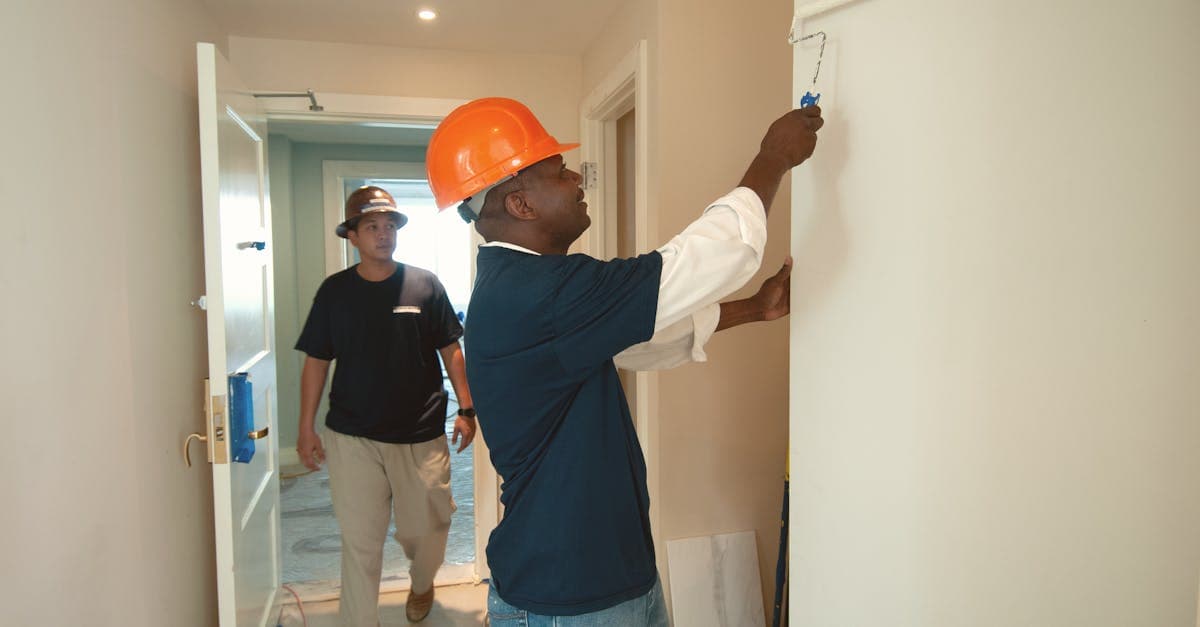
What matters
- According to the U.S. Bureau of Labor Statistics 2024, employment of painters in construction and maintenance is projected to grow 4 percent from 2024 to 2034, adding consistent demand to a workforce that is already undersupplied.
- According to QLayers 2024, technological advancements in painting equipment are being positioned as a partial solution to the skilled worker shortage, but adoption among small independent contractors remains limited.
- According to Painters Academy 2024, painting contractors who rely primarily on subcontractors face compounding risks in a tight labor market, including inconsistent quality, scheduling gaps, and higher per-job costs that directly compress margins.
A shortage of skilled painters is not a new complaint, but the numbers backing it up are getting harder to ignore. According to the U.S. Bureau of Labor Statistics 2024, employment of painters in construction and maintenance is projected to grow 4 percent through 2034, a pace that sounds modest until you factor in the workers already aging out of the trade and the thin pipeline coming behind them. For contractors running active crews, this gap is showing up in real dollars: slower job turnarounds, higher sub rates, and customers who wait longer than they want to.
How Bad Is the Skilled Painter Shortage Right Now?
The workforce picture for painting trades is tight from both ends. According to the U.S. Bureau of Labor Statistics 2024, the median annual wage for painters in construction and maintenance was $48,710, and the field will need to replace a significant number of workers who leave through retirement or career changes each year, not just fill new openings created by growth. That replacement demand is the quiet driver of the shortage that most coverage ignores.
The problem is not that painting has stopped attracting interest. It is that the skilled portion of the trade, the painters who can handle surface prep, understand sheen selection, work efficiently on commercial projects, and manage client expectations without supervision, takes years to develop. You cannot hire someone off the street and put them on a high-end interior job on day one. The shortage is really a shortage of experienced, reliable, finish-quality painters, and that segment of the workforce is shrinking faster than it is being rebuilt.
If You Rely on Subcontractors, What Are the Real Risks?
Most small and mid-size painting contractors use some combination of employees and subcontractors. In a tight labor market, leaning harder on subs is a common response. But according to Painters Academy 2024, that strategy comes with compounding risks that get worse the more you depend on it.
When your sub pool is shallow, you lose scheduling control. A job that was penciled in for Tuesday gets pushed because your best sub picked up work elsewhere. You also lose quality consistency, which is the thing customers remember most and talk about most in reviews. A single bad finish on a referral job can cost more than the margin you saved by using a cheaper sub. And on the cost side, subs in short supply charge more. When every painting contractor in your market is chasing the same four reliable independent painters, rates go up and your ability to hold a bid price shrinks.
Contractors who are navigating this well tend to do two things differently. First, they pay employees enough to keep them, which means understanding local wage rates before someone else recruits your best person. Second, they build a clear onboarding process so new hires reach productive quality faster. Neither of these is complicated, but both require intentional investment rather than hoping the labor market improves on its own.
Can Technology Actually Close the Skills Gap for Painters?
There is genuine innovation happening in painting equipment. According to QLayers 2024, advances in spray technology, surface preparation tools, and even early-stage robotic painting systems are being positioned as ways to reduce the skill floor required for certain types of work. For large commercial and industrial applications, some of these tools are already changing how crews are structured.
For the typical residential or light commercial painting contractor, the honest answer is that technology helps at the margins but does not replace skilled labor on the jobs customers care most about. A homeowner paying for an interior repaint wants clean lines, proper prep, and a finish that holds. That work still requires a trained eye and a steady hand. Where technology genuinely helps smaller contractors today is in workflow, scheduling, and customer communication rather than on the brush end of the business. Contractors who have moved to digital job management are finding they can run more jobs with the same crew size, which partially offsets the labor gap without requiring more headcount. For a closer look at how digital adoption is splitting outcomes among trades contractors, the piece on painting contractor marketing channels and growth is worth a read.
Why This Matters for Painters
The labor shortage affects painters at every scale, but the impact is not evenly distributed. Contractors who have invested in keeping good employees, maintaining consistent quality, and building a strong local reputation are in a position to charge more and stay booked. Contractors who are constantly scrambling for labor tend to take on more work than they can staff well, which creates quality problems, which creates review problems, which makes it harder to hold rates.
The visibility side of this matters too. Homeowners searching for a painter in a tight market are not just comparing prices. They are looking for confidence that the job will get done right and on time. A contractor with a solid review record and responsive communication wins those calls even at a higher bid. According to the U.S. Bureau of Labor Statistics 2024, the field is growing, which means customer demand is real. The question is which contractors are positioned to capture it. A deeper look at how reviews factor into painter selection is covered in why reviews are the primary sales tool for painting contractors.
If you are running a painting operation today, the labor shortage is not something you can wait out. The contractors who build stable crews, pay competitively, and deliver consistent work are pulling ahead while others cycle through unreliable subs and margin pressure. The work is out there. The edge goes to the operators who can staff it reliably and show customers proof of that reliability before the estimate is even signed.